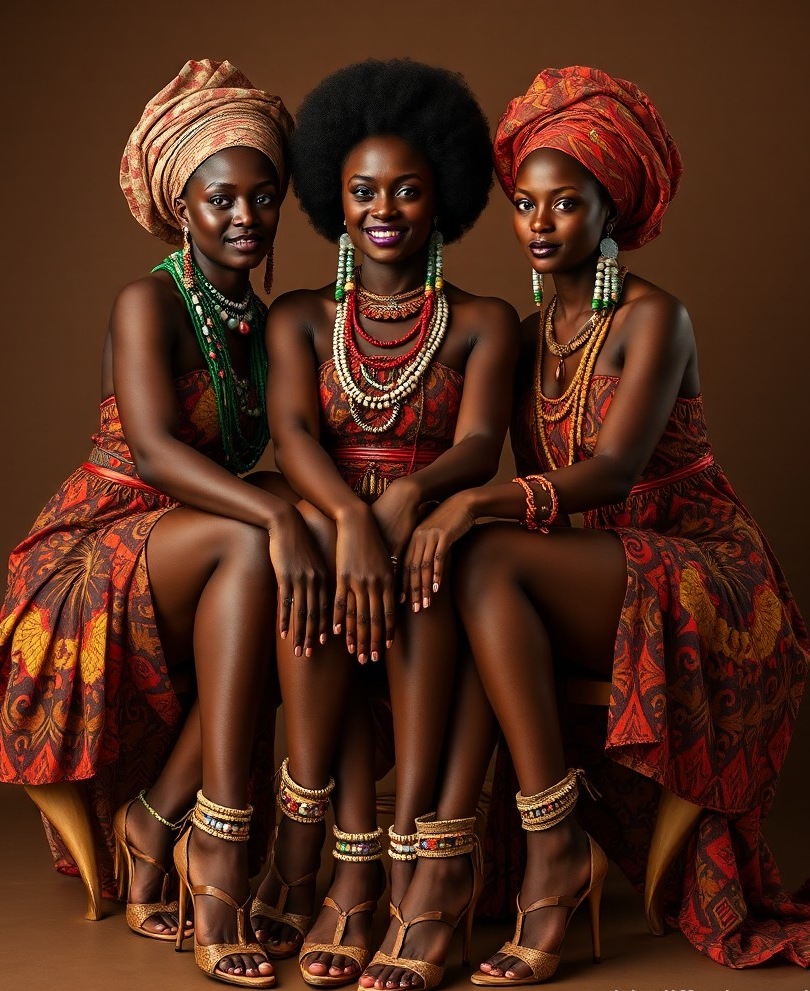
We are reimagining how tourism and hospitality operate across Africa—by placing women at the center of leadership, growth, and innovation. Our ambition is to create a more equitable industry where women of African descent have access to real opportunities, not just participation, but influence in shaping its future.
We focus on empowering women to rise into key decision-making roles, from the boardroom to the frontlines. Because when women lead, industries become stronger, more resilient, and more responsive. Women are not only contributors—they are trendsetters, culture shapers, and drivers of transformation within the sector.
Through capacity building and value-driven initiatives, we equip women with the tools, networks, and confidence to thrive. Our approach blends training, knowledge transfer, mentorship, and continuous upskilling to support a personalized journey toward leadership and impact.
At our core, we are a community committed to unlocking the full economic and individual potential of African women—enabling them to grow, lead, and shape the future of tourism and hospitality across the continent.


 Chelezo House, Along Kindaruma Road, Nairobi-Kenya.